Home charging makes owning an electric vehicle far more convenient, but the charger must be matched to the home's electrical capacity and installed on a properly designed circuit. Here is what Treasure Valley homeowners should know before choosing equipment.
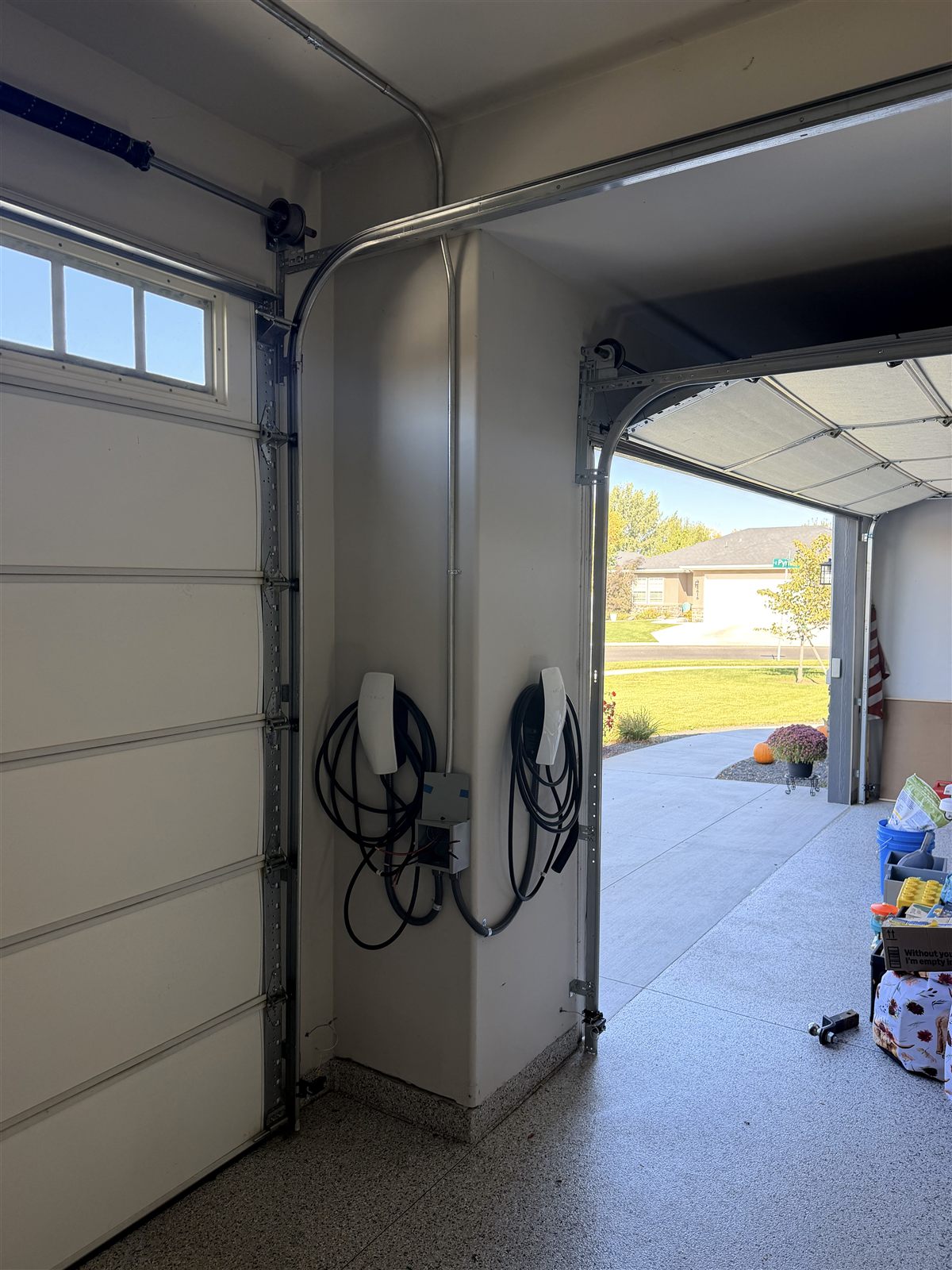
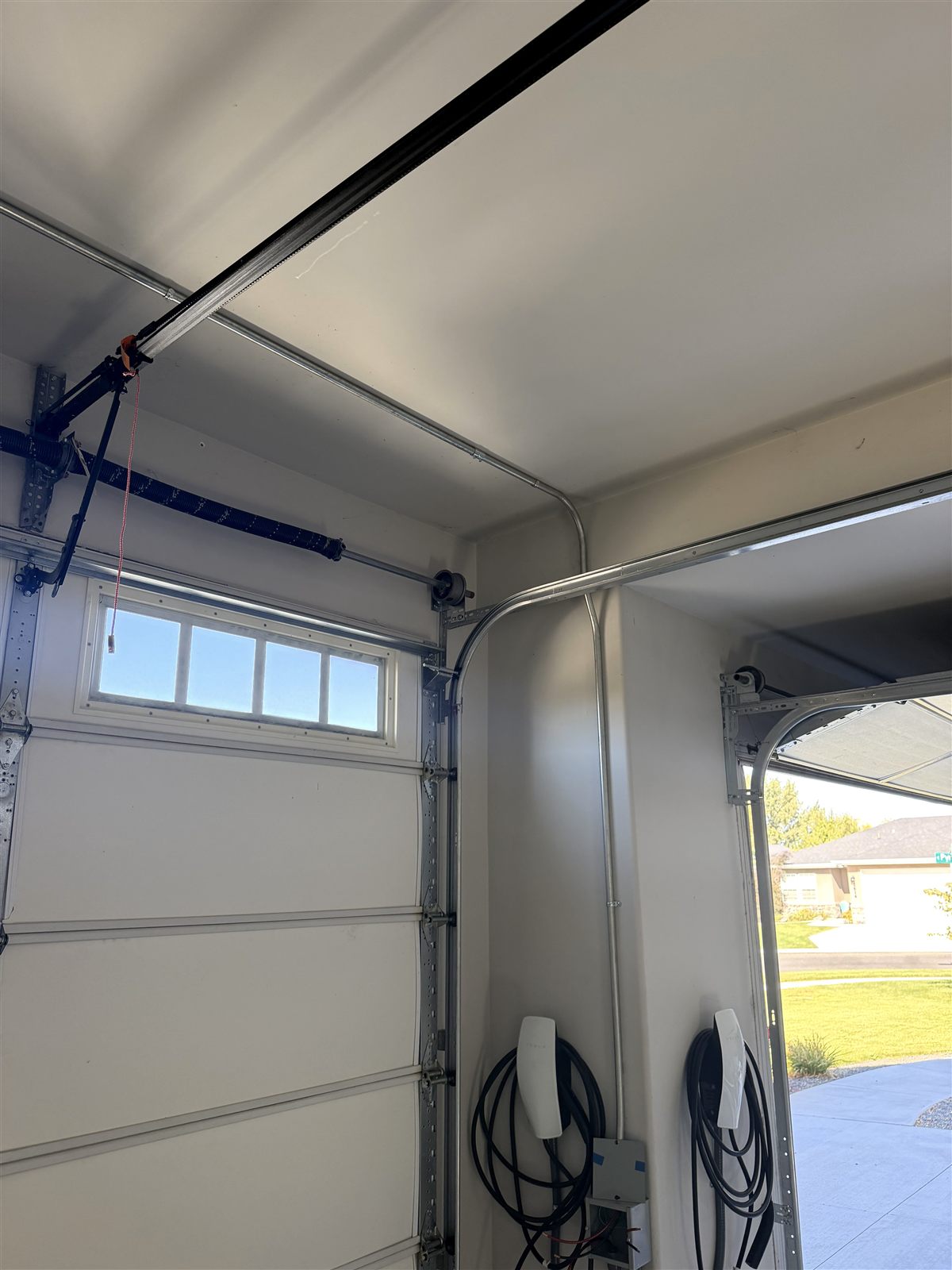
A recent home EV charger installation
Level 1, Level 2, and DC fast charging
- Level 1 uses a standard 120-volt outlet and is the slowest option
- Level 2 uses a dedicated 240-volt circuit and is the common choice for homes
- DC fast charging is generally commercial equipment rather than a residential solution
Panel capacity comes first
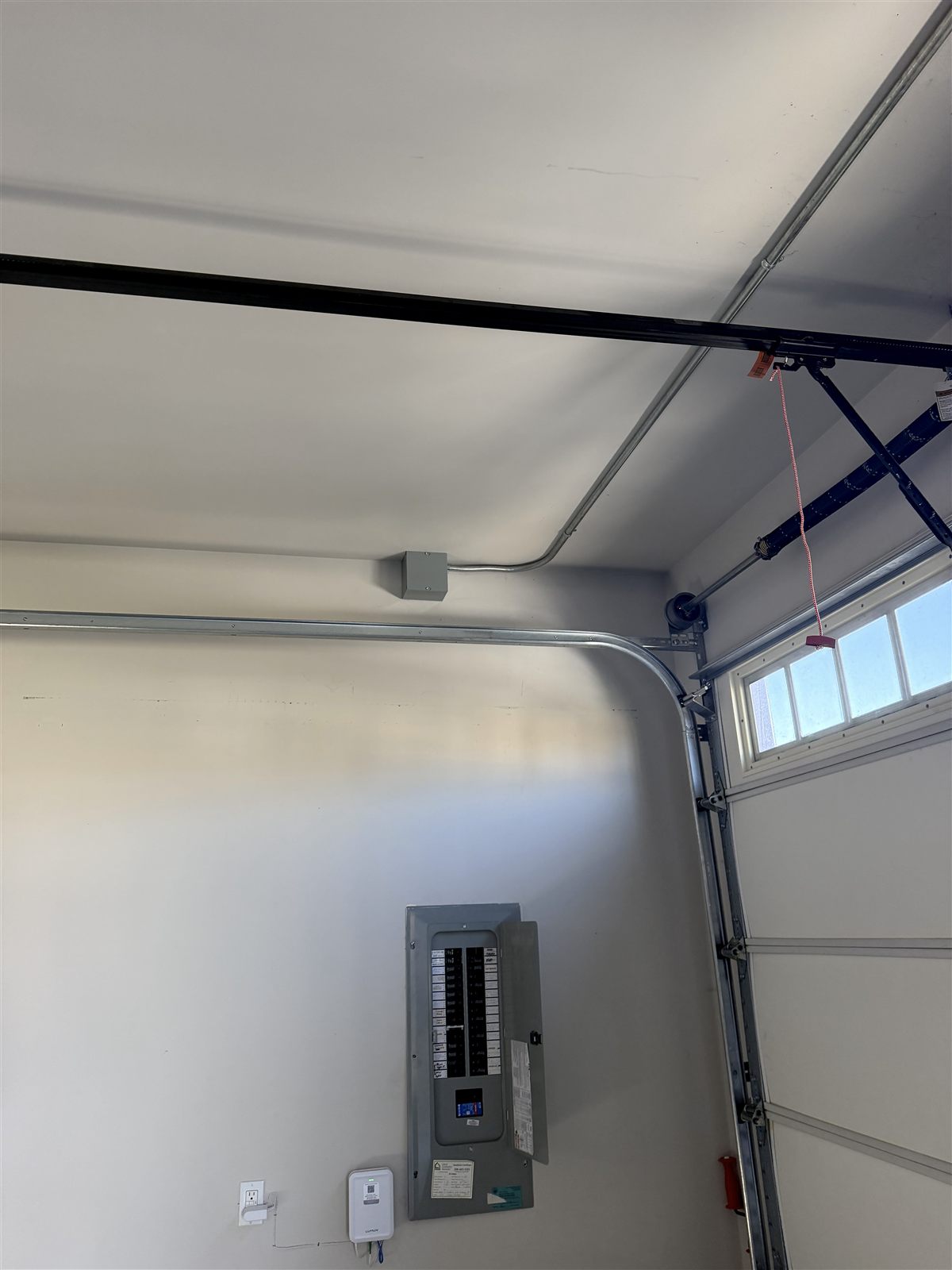
The charger rating is only one part of the design. An electrician performs a load calculation, checks the service and panel, considers other large loads, and recommends an amperage that the home can support safely. Some installations may benefit from load-management equipment or a panel upgrade.
Permits and professional installation
Most Treasure Valley jurisdictions require a permit for a new EV charging circuit. A licensed electrician selects the breaker, conductor, grounding, outlet or hardwired connection, and weather protection required for the location.
- Tesla Wall Connector and other major brands
- Garage and exterior installations
- Hardwired chargers and approved receptacles
- Permit and inspection coordination
What affects installation cost?
Panel capacity, charger amperage, cable-route length, wall construction, trenching, and the need for an upgrade are the main cost variables. An on-site assessment turns those variables into a clear plan.