A dedicated circuit supplies one appliance or piece of equipment instead of sharing capacity with several outlets and devices. Whether your project needs one depends on the equipment, its electrical requirements, the existing wiring, and the code that applies to the installation. Checking those details before adding a major load can prevent nuisance trips and avoid unsafe shortcuts.
What a dedicated circuit actually means
Most homes have general-purpose circuits that serve multiple lights or receptacles. A dedicated circuit runs from its own breaker to the equipment it is intended to supply. The breaker and conductors must be selected together for the load and installation—not chosen independently or increased simply because a breaker trips.
Large electrical loads need more planning
The Electrical Safety Foundation International explains that larger appliances such as electric water heaters, ranges, and clothes dryers commonly use 240-volt circuits. Voltage is only part of the design: an electrician also considers the equipment rating, conductor size, breaker size, connection method, and any required protective devices.
Projects that should prompt a circuit review
Before installing equipment with a significant or continuous electrical demand, confirm what the manufacturer requires and what your home can support. The U.S. Department of Energy notes that electric vehicle supply equipment is installed on a dedicated circuit. Other projects—such as a hot tub, new cooking equipment, a workshop tool, or a major heating or cooling load—also deserve an electrical review before installation.
- A Level 2 EV charger
- A hot tub or spa
- An electric range, dryer, or water heater
- A permanently installed heating or cooling unit
- A large workshop tool or other fixed equipment
- A kitchen, laundry, garage, or addition remodel
Warning signs a shared circuit may be overloaded
Frequent breaker trips, flickering or dimming lights, warm or discolored wall plates, buzzing, and burning odors are warning signs identified by ESFI. Stop using the affected equipment if you notice heat, odor, sparking, shocks, or visible damage. A power strip creates more places to plug in; it does not increase the amount of power the circuit can safely carry.
Panel capacity is part of the decision
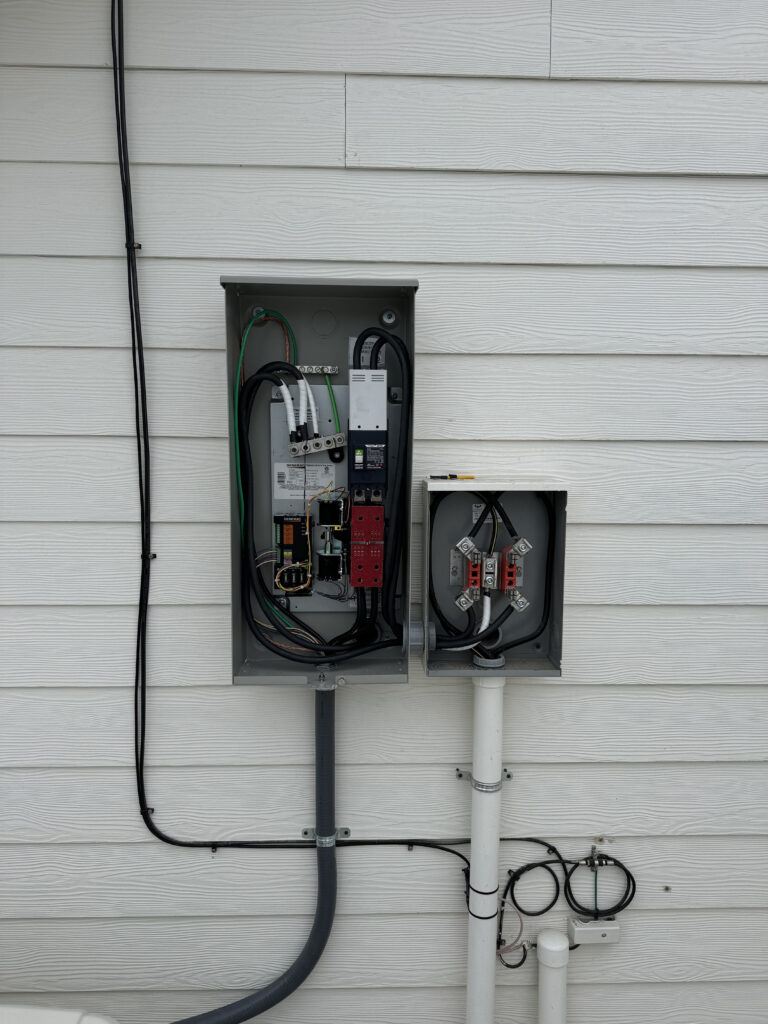
An open breaker space does not by itself prove that a home has capacity for another large load. An electrician may need to review the service rating, existing loads, panel condition, equipment specifications, and the proposed route. The result may be a new circuit, a different equipment setting, load-management equipment, or a broader panel or service plan.
Do not solve tripping with a larger breaker
A breaker protects the circuit wiring. Replacing it with a higher-amperage breaker without verifying the conductor and equipment ratings can allow wiring to overheat. Repeated trips call for diagnosis: the problem may be an overload, damaged wiring, a loose connection, an appliance fault, or a protective device responding as designed.
Idaho code and permit requirements still apply
Idaho lists the 2023 National Electrical Code with state amendments as its adopted electrical code. Permit and inspection responsibility can vary by jurisdiction, and some cities administer their own electrical programs. Before work begins, confirm the requirements for the property and project rather than assuming an existing outlet or spare panel space is sufficient.
Plan the circuit before buying or placing equipment
Collect the equipment model, nameplate information, proposed location, and preferred features before scheduling an evaluation. Walker Electric can review the load, panel, circuit route, and local requirements, then explain practical options for your Treasure Valley home without guessing at capacity.
Related electrical resources
Sources and further reading
- Idaho DOPL: Idaho adopted building and electrical codes
- Idaho DOPL: Electrical permits and FAQs
- U.S. Department of Energy: Electric vehicle supply equipment infrastructure
- Electrical Safety Foundation International: Understanding your home electrical system
- Electrical Safety Foundation International: Don't overload your home