
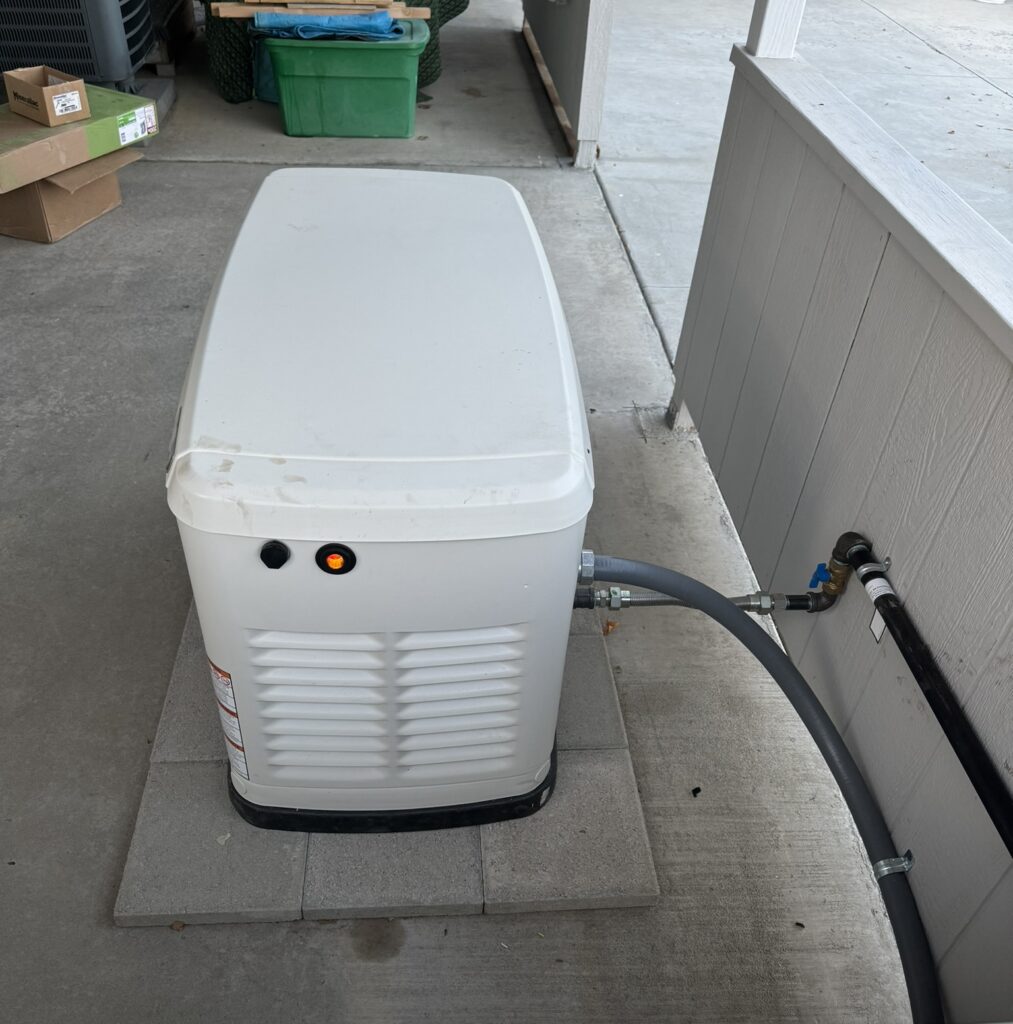
A portable generator can keep selected equipment running during an outage, but it introduces serious carbon monoxide, shock, and fire hazards when it is placed or connected incorrectly. Before the next Treasure Valley outage, make a safe operating plan based on the generator manufacturer's instructions and current public-safety guidance.
Keep every portable generator outside and far from the home
The U.S. Consumer Product Safety Commission (CPSC) says to operate portable generators outside only, at least 20 feet from the house, with the exhaust directed away. A garage, basement, crawlspace, shed, porch, or carport is not a safe operating location—even with a door or window open. Keep the generator away from windows, doors, vents, and nearby occupied buildings.
Use working carbon monoxide alarms
Carbon monoxide is colorless and odorless. CPSC recommends working CO alarms on every level of the home and outside sleeping areas. Follow each alarm manufacturer's placement, testing, battery, and replacement instructions. If an alarm sounds or anyone feels sick, dizzy, or weak, move to fresh air immediately and call 911.
Never backfeed power through a wall outlet
Do not plug a generator into a household receptacle to energize home wiring. This practice, called backfeeding, can place dangerous voltage on wiring outside the home and create an electrocution risk for utility workers, neighbors, and occupants. Supplying installed household circuits requires properly designed transfer equipment and professional installation—not a cord with two male ends.
Protect the generator from rain and snow
Water and electricity create a shock hazard. Follow the generator manufacturer's instructions for wet conditions. CPSC guidance notes that those instructions may call for an appropriate noncombustible generator tent or may advise waiting until rain or snow passes. Operate the unit on a dry surface where water cannot reach, puddle, or drain underneath it, and never touch electrical equipment with wet hands.
Match cords and loads to the equipment
When powering individual appliances, use undamaged, heavy-duty extension cords specifically designed for outdoor use. CPSC advises that each cord's wattage rating should exceed the total wattage connected to it and that the cord should have all three prongs. Keep cords from being pinched or crushed. Follow the generator manual for its total load limits and startup sequence.
- Inspect the complete cord before each use.
- Keep plugs and connections dry.
- Do not defeat a grounding pin.
- Do not overload the generator or a cord.
- Turn off and unplug equipment before shutting down when the manual directs it.
Refuel only after the generator is off and cool
Never add fuel while a generator is running. Shut it down and allow it to cool according to the manufacturer's instructions before refueling. Store fuel in an approved container and away from ignition sources, living areas, and the operating generator. Follow local requirements for fuel storage.
Plan permanent backup power before the outage
If you want to power installed household circuits instead of running cords to individual equipment, arrange the electrical design before an emergency. A qualified electrician can review the loads you want to support and explain appropriate transfer equipment or a permanently installed standby-generator system. Idaho's Division of Occupational and Professional Licenses says electrical work requires permitting, while jurisdiction can vary because some cities and counties run their own programs.
Choose the backup-power approach that fits your home
Portable and permanently installed generators solve different problems. A portable unit requires safe placement, fueling, weather planning, and hands-on operation. A standby system is permanently installed and uses approved transfer equipment. Walker Electric's generator service page explains options for Treasure Valley homeowners who want a professionally planned backup-power system.