An older home can have a dependable electrical system, but age, renovations, changing household loads, and years of repairs can leave conditions worth reviewing. A room-by-room check helps Treasure Valley homeowners identify visible warning signs and decide when a licensed electrician should take a closer look.
Start with the service panel
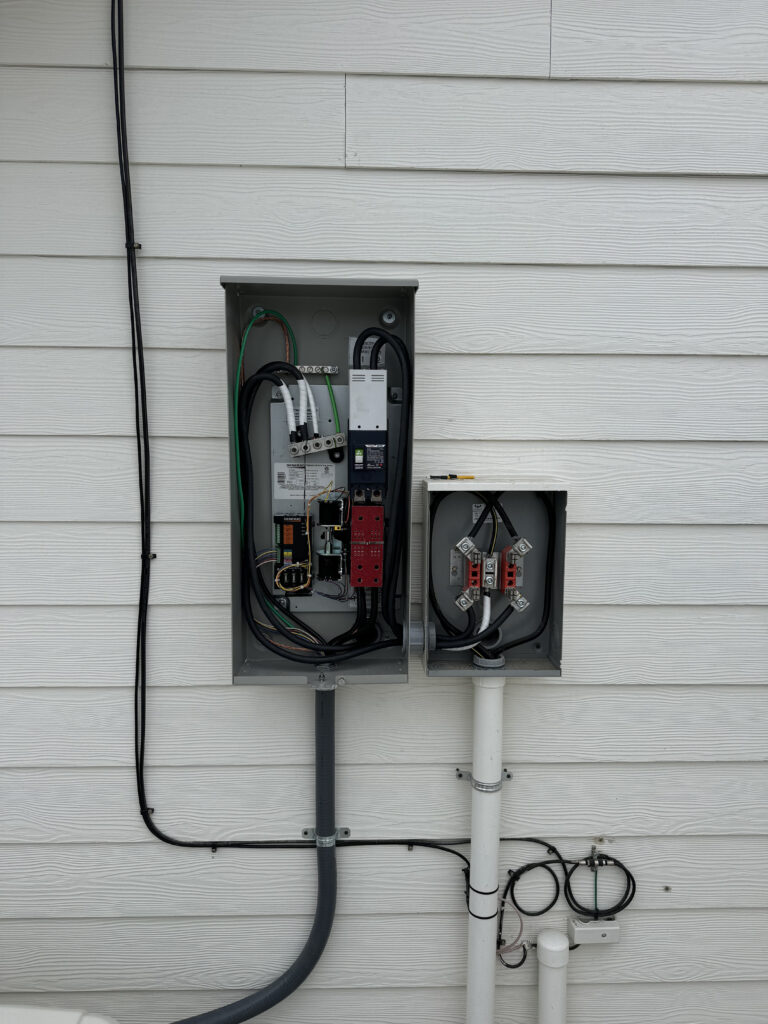
Look at the panel from a safe distance without removing its cover. It should be accessible, dry, securely closed, and free of obvious rust, scorching, buzzing, or burning odors. Repeatedly tripping breakers, unexplained heat, or signs of water entry deserve prompt professional attention.
- Breakers or fuses should be clearly identified
- Open spaces should have approved covers
- The panel area should not be used for storage
- Do not remove the cover or touch internal components
Check outlets and switches in every room
The U.S. Consumer Product Safety Commission recommends a regular room-by-room electrical safety check. Watch for loose devices, missing cover plates, cracked faces, plugs that fit loosely, discoloration, unusual warmth, buzzing, or sparking. Stop using a device that shows these warning signs until it can be evaluated.
Review cords, power strips, and appliance connections
Extension cords and power strips should not substitute for the permanent wiring an older home lacks. The U.S. Fire Administration advises against overloading outlets or power strips and says major appliances should be plugged directly into wall outlets rather than extension cords.
- Replace cracked, frayed, pinched, or loose cords
- Do not run cords beneath rugs or through doorways
- Avoid forcing three-prong plugs into two-slot outlets
- Have additional receptacles installed where temporary cords have become permanent
Test installed GFCI protection
Ground-fault circuit interrupters reduce shock risk in locations where electricity and water may meet. Test installed GFCI receptacles using their TEST and RESET buttons according to the manufacturer’s instructions. If a device does not interrupt power, will not reset, or trips repeatedly, leave the affected equipment unplugged and arrange service.
- Bathrooms and kitchens
- Garages and unfinished basements
- Outdoor and other damp locations
- Areas near sinks, tubs, pools, and spas
Notice clues from previous alterations
Older homes often contain work completed at different times. Mismatched devices, exposed splices, extension-cord wiring, abandoned cables, crowded boxes, or additions that behave differently from the original house can justify a closer inspection. A recent-looking component does not confirm that the wiring behind it was installed correctly.
Match the system to today’s electrical demand
A system that once served a home adequately may be asked to support more appliances, heating and cooling equipment, electronics, workshop tools, or vehicle charging today. Frequent trips, heavy reliance on power strips, too few receptacles, or plans for a large new load are reasons to review panel capacity and circuit distribution.
Look outside, in the garage, and in work areas
Outdoor receptacles and equipment face moisture, sunlight, temperature changes, and physical damage. Check that covers close properly and that cords and tools intended for outdoor use remain in good condition. In garages and workshops, damaged tools, improvised wiring, and overloaded power strips should be corrected rather than worked around.
Confirm permits before repairs or upgrades
Idaho’s Division of Occupational and Professional Licenses states that electrical work requires permitting, while the responsible authority varies because some cities and counties administer their own programs. Confirm the jurisdiction and inspection requirements before beginning alterations, additions, or replacement work.
When to schedule a professional evaluation
Call an electrician when you find heat, burning odors, sparking, buzzing, repeated breaker trips, damaged equipment, exposed wiring, water intrusion, or a GFCI that fails its test. An evaluation is also useful before buying an older home, starting a remodel, or adding a major electrical load. Walker Electric provides residential troubleshooting, lighting and rewiring, and panel-related service throughout the Treasure Valley.